
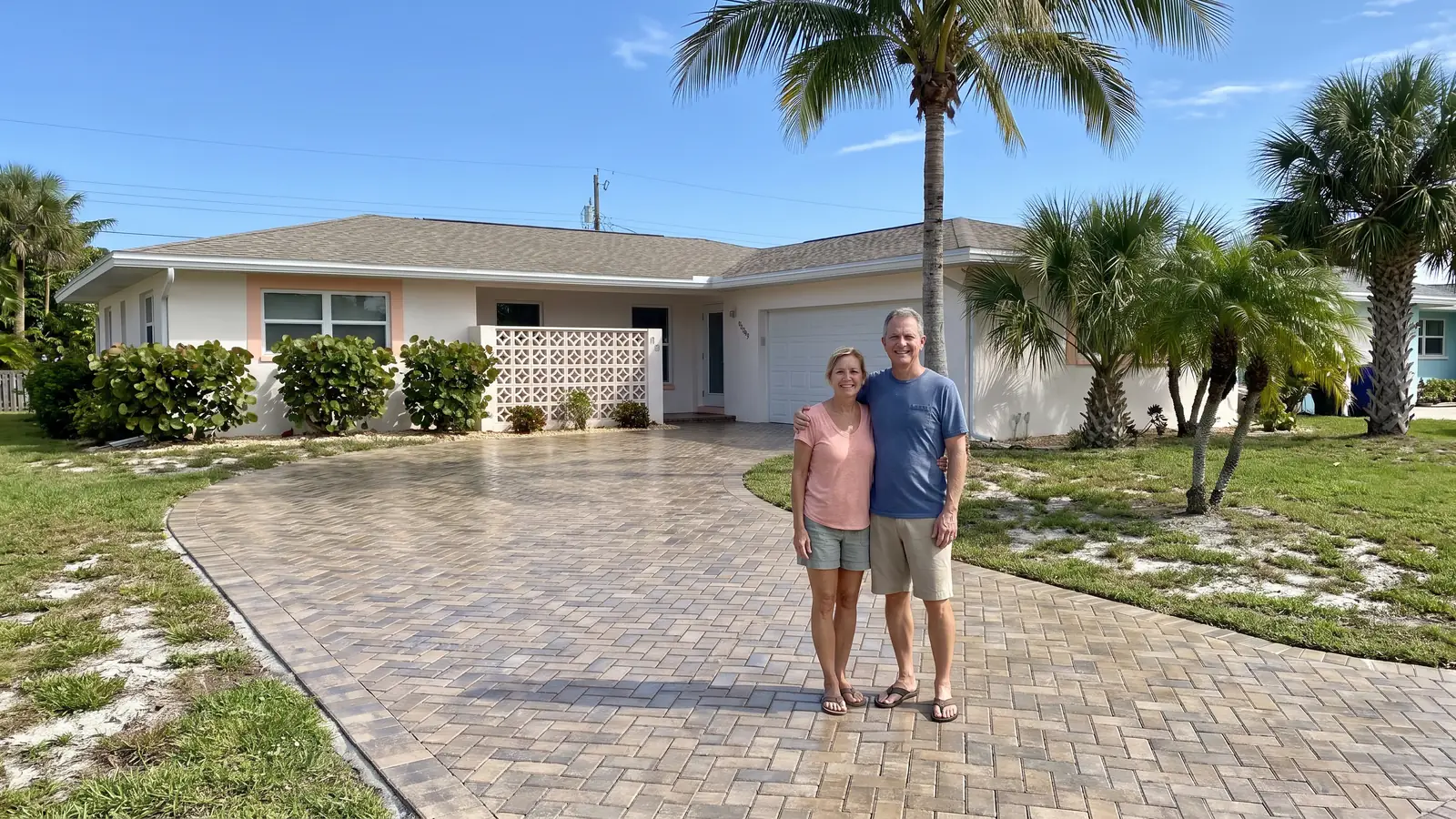
Deeper color, full joints and easier sweeping
Paver Sealing in Satellite Beach, FL
Call (321) 455-5098 for a free paver sealing estimate anywhere in Satellite Beach.
- Brings out deeper paver color
- Fresh joint sand helps lock pavers in place
- Gives weeds less room to grow
- Makes the surface easier to keep clean
- Free estimate, no obligation
Request a Free Estimate
Free, no obligation.
Who can seal my pavers in Satellite Beach, and how soon do I hear back?
A local contractor can seal driveways, pool decks, patios and walkways in Satellite Beach, FL, and you will hear back within 1 business day, usually much sooner. The estimate is free, with no obligation. To start, call (321) 455-5098.
A fresh coat of sealer brings back deep color, holds sand in the joints and makes pavers easier to sweep and rinse. Picture a pool deck that looks chalky today and then bright again, with every joint full. Salt matters on the island, because Nicolock, a paver manufacturer, says it travels as tiny airborne particles and can crystallize as moisture dries. Name the area that bothers you most when you ask for a free estimate.
Paver Sealing Satellite Beach Is Proud to Serve the Space Coast
What is included in a paver sealing job in Satellite Beach?
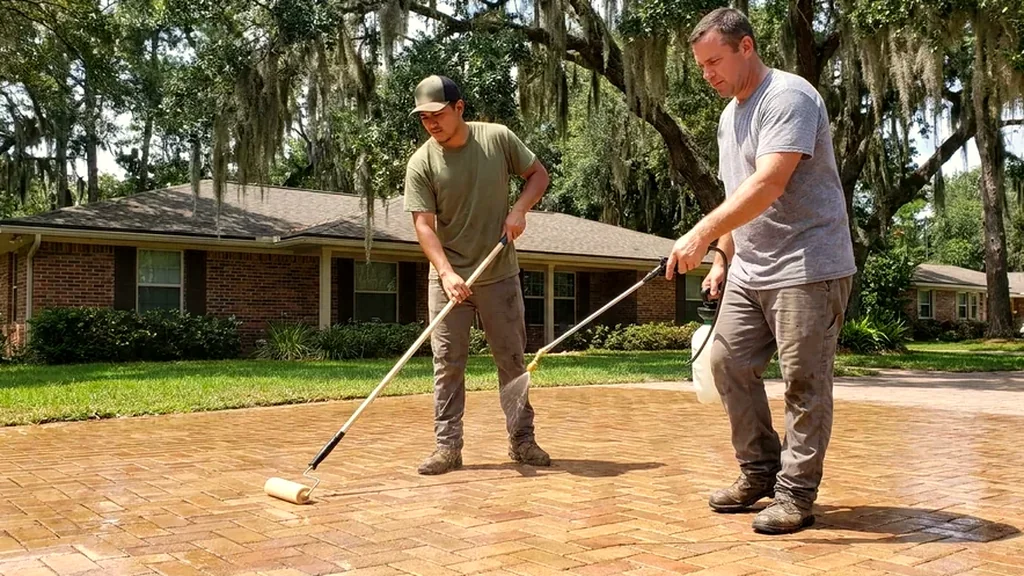
Every sealing job has the same four parts, and the wash takes the longest. They are listed below. To ask how each one applies to your pavers, call (321) 455-5098.
Look and measure
The contractor measures the square footage and checks for sunken pavers, cracks, worn sealer and spots where water stands.
Wash and treat
Algae, grime, rust and salt film come off with a cleaner matched to the stain, then a rinse at moderate pressure.
Joint sand
Fresh sand is swept into every joint and the extra is cleared, so pavers stay locked and weeds have less room.
Sealer coat
The product goes on a dry surface in thin, even passes, by sprayer, roller or both.
How do I know my Satellite Beach pavers need sealing?
A Brevard County paver company points to three signs: fading color, staining and weeds pushing up between the joints. Sand washed onto the driveway after a storm is one more sign. Fixing sand loss early is cheaper than resetting pavers once they begin to move. Want someone to look at yours? Call (321) 455-5098.
Which paver sealer works near the ocean in Satellite Beach?
The right sealer depends on your pavers and how each area gets used. Unilock, a paver manufacturer, says a product with strong UV and salt resistance helps in coastal, sunny parts of Florida. It adds that water-based sealers soak deeply into porous concrete, while a solvent-based one may suit some jobs. To weigh the two against your own surface, call (321) 455-5098.
Brick and natural stone absorb sealer at different rates than concrete pavers, so a product made for concrete may not suit them. Unilock also says to test old and new sealer together before resealing. Ask which product is planned for each area when you ask for a free estimate.
Should I choose a wet look or a matte finish in Satellite Beach?
A wet look deepens color and adds shine, while a matte finish stays close to the natural paver. Unilock says high gloss can be slippery when wet and calls matte the safer choice. That matters around a pool or on a front step. Ask for a small test patch of each finish when you ask for a free estimate.
How often should pavers be resealed in Satellite Beach?
Plan on every two to three years, according to a Brevard County paver company that says its sealers last two to four. Unilock, a paver manufacturer, gives three to five years and says traffic and UV exposure change the answer. A sunny driveway with daily cars sits near the short end. To have a contractor judge your coat, call (321) 455-5098.
Does more sealer mean more protection?
No, a thicker or doubled coat does not protect longer. Unilock warns that stacking layers over one spot causes uneven gloss, and that a second coat put on before the first has set can leave a whitish film. Western Interlock, a paver company, says over-applying and under-applying both cause problems. Be careful with any offer built on extra coats, and ask about coverage before you ask for a free estimate.
What time of year works for sealing pavers in Satellite Beach?
A Brevard County paver company says September through May usually brings lower humidity and less rain, though sealing can happen year-round with planning. Climate averages for Satellite Beach show the wettest stretch from June through September, at roughly 4 to 5 inches a month. A contractor works the forecast, so the date may move. To line one up, call (321) 455-5098.
Unilock asks for clear skies 24 to 48 hours before sealing and up to 48 hours of dry weather after, in a range of 50 to 90 degrees. Western Interlock says a surface above 90 degrees can keep sealer from working, even on a day that feels cooler. Sprinklers stay off while it cures. To work out a date that fits, ask for a free estimate.
Will sealing fix sunken pavers in Satellite Beach?
No, sealing cannot lift a paver or fix poor drainage. Unilock says so directly, and Western Interlock adds that hidden moisture under pavers can cause cloudy spots in the sealer later. Sunken sections need to be reset first, so ask whether that work is in the price. Point out any low spots when you ask for a free estimate.
Which paver surfaces in Satellite Beach can be sealed?
Any outdoor paved area can take a coat, from a driveway to a pool deck. Each one wears in its own way, so the plan for each should differ. Point to the area you like least when you ask for a free estimate.
Driveways
A driveway takes tires, oil drips and the most direct sun on the lot. Sealing one keeps the color even and the joints full where the cars turn.
Pool decks and lanais
A pool deck stays wet and sees splash, sunscreen and bare feet. Sealing one should leave a surface that drains and still grips underfoot.
Canal-side patios
A patio near a dock catches damp air off the water and shade from the trees. Sealing one starts with lifting the green growth and keeping it away longer.
Walkways and entries
A front walk collects sand, mulch and fallen needles from the beds beside it. Sealing the path to your door is a small job that visitors notice first.
What wears down pavers in Satellite Beach?
Five things wear on pavers here: salt, shifting sand, damp shade, strong sun and splash. Most get harder to correct the longer they sit. Find out which of them your pavers show by calling (321) 455-5098.
1. Salt in the air
Nicolock, a paver manufacturer, says salt travels as microscopic particles and can crystallize on a surface as moisture dries. Satellite Beach has the Atlantic on one side and the Banana River on the other, so the salt reaches nearly every street.
2. Sand on the surface, sand missing below
Sand blows across driveways from the dunes while rain pulls joint sand down and out. Unilock says sealing over cured joint sand helps lock the joints against washout.
3. Green growth in shade and damp
Unilock names regular moisture and constant shade as the usual causes of mold and mildew on pavers. A north-facing walk under a palm or a screen enclosure often turns first.
4. Fading in strong sun
Unilock says a good sealer helps pavers resist fading from strong sun and UV rays. It adds that strong UV and salt resistance helps in coastal, sunny parts of Florida.
5. Splash and standing water
Unilock says pool decks and walks that see splash and sunscreen gain from a sealer that resists moisture and mildew. It also says sealing cannot fix poor drainage, so low spots get checked first.
What does paver sealing cost in Satellite Beach?
Plan on about $1.85 to $4.00 per square foot to clean, sand and seal, the range a Brevard County paver company publishes. That company says surface area, access and the amount of cleaning all move the price. The table below turns the range into dollars for common sizes. To get a price written for your own pavers, ask for a free estimate.
Wondering if a wash alone would do? A wash alone may do the job, and the paver cleaning and joint sand page explains how. The service area list shows every town, and the home page has more on paver sealing in Satellite Beach.
| Paved area | Typical example | Clean, sand and seal |
|---|---|---|
| 300 sq ft | Small patio or walkway | $555 to $1,200 |
| 600 sq ft | Two car driveway | $1,110 to $2,400 |
| 1,000 sq ft | Large driveway or pool deck | $1,850 to $4,000 |
| 1,500 sq ft | Driveway plus pool deck | $2,775 to $6,000 |
Math based on the $1.85 to $4.00 per square foot that Space Coast paver companies publish. Your contractor sets the actual price after seeing the surface. Repairs, leveling and stripping failed sealer are usually extra.
Why hire a local contractor for paver sealing on the beachside?
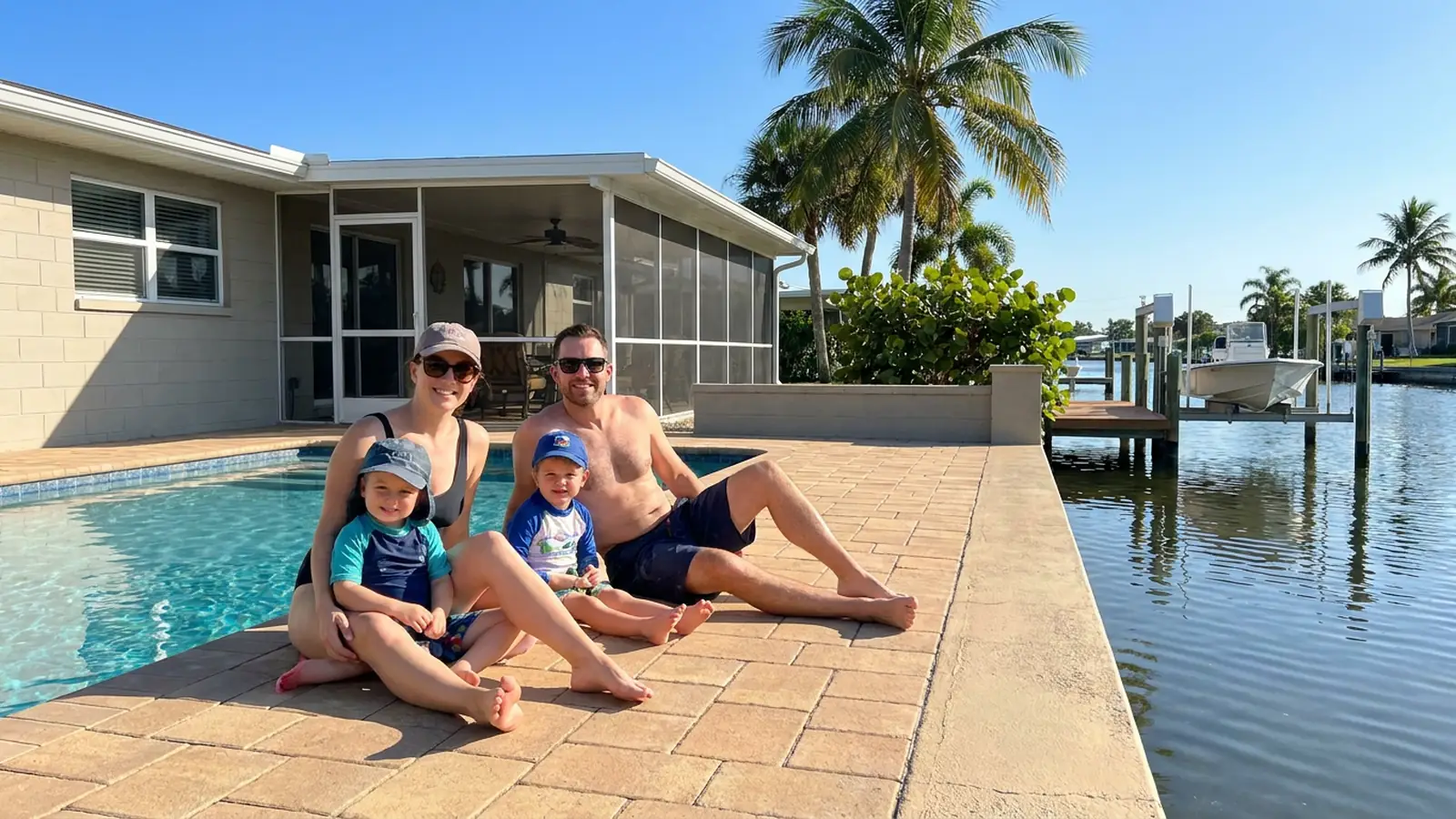
A local contractor already works in the same salt air, sand and canal humidity your pavers face. Ask for the price on paper and take your time with it. To begin, call (321) 455-5098.
Contractors who know the beachside
A local contractor who works the barrier island deals with salt air, blowing sand and damp canal air every week. The plan for your pavers starts from what wears them out here.
A free look, no obligation
An estimate is free, and you owe nothing for asking. If the number is not right for you, say no and that is the end of it.
A published range to check against
A Brevard County paver company publishes $1.85 to $4.00 per square foot to clean, sand and seal. Hold any quote up to that range before you agree.
Time to decide
Nobody needs your answer on the spot. Get the price and the sealer name in writing, and read what to check before you hire a contractor.
Ready for a free sealing estimate in Satellite Beach?
Pick the form or the phone. Either way, a contractor responds within 1 business day, usually much sooner.
Free, no obligation
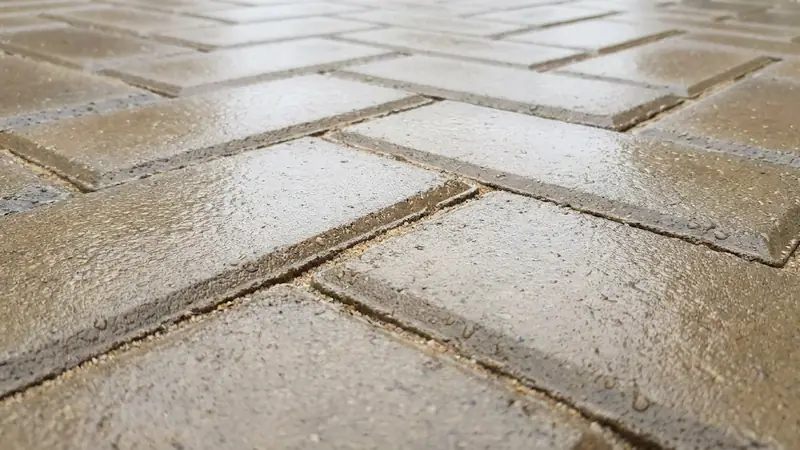
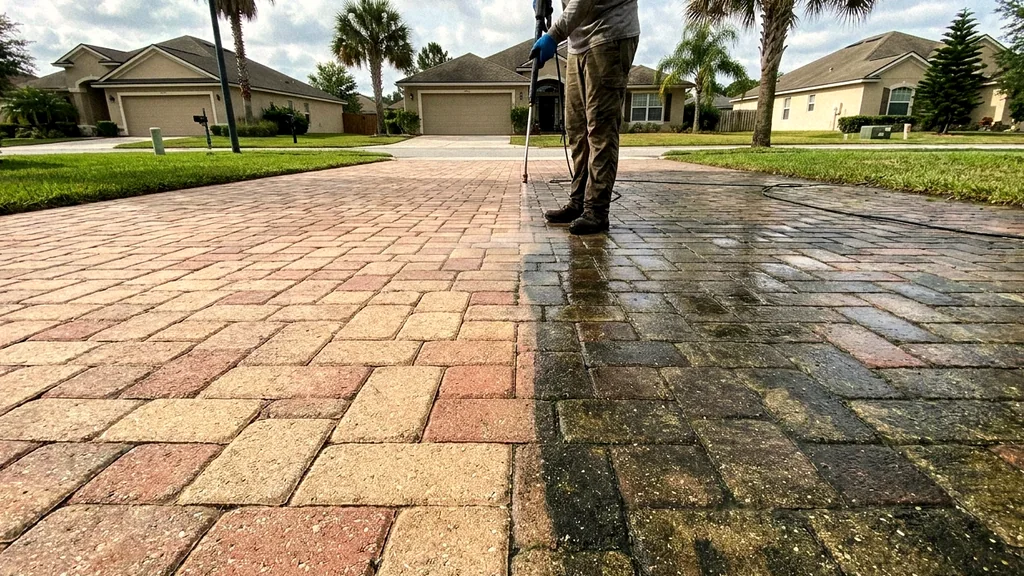
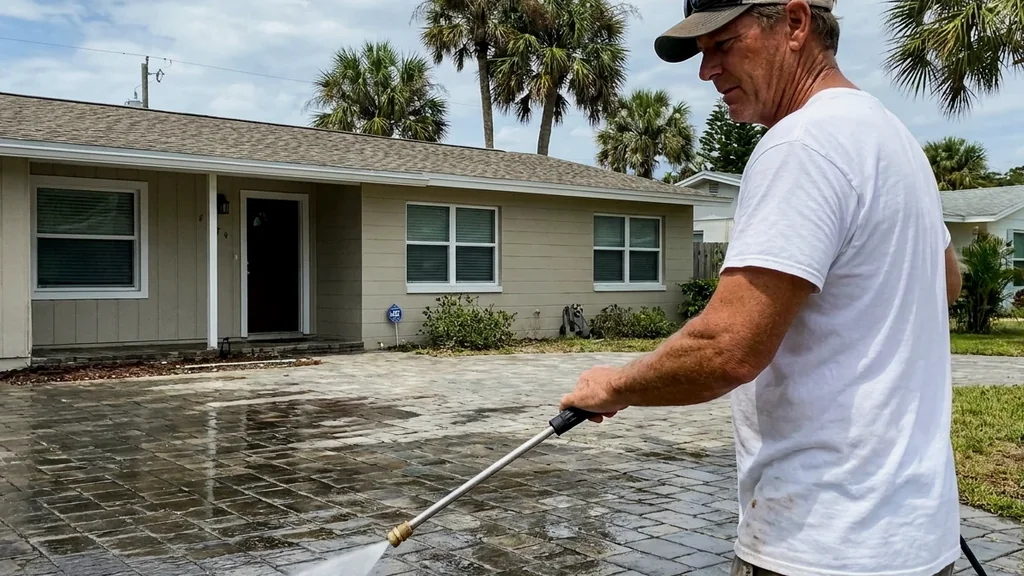
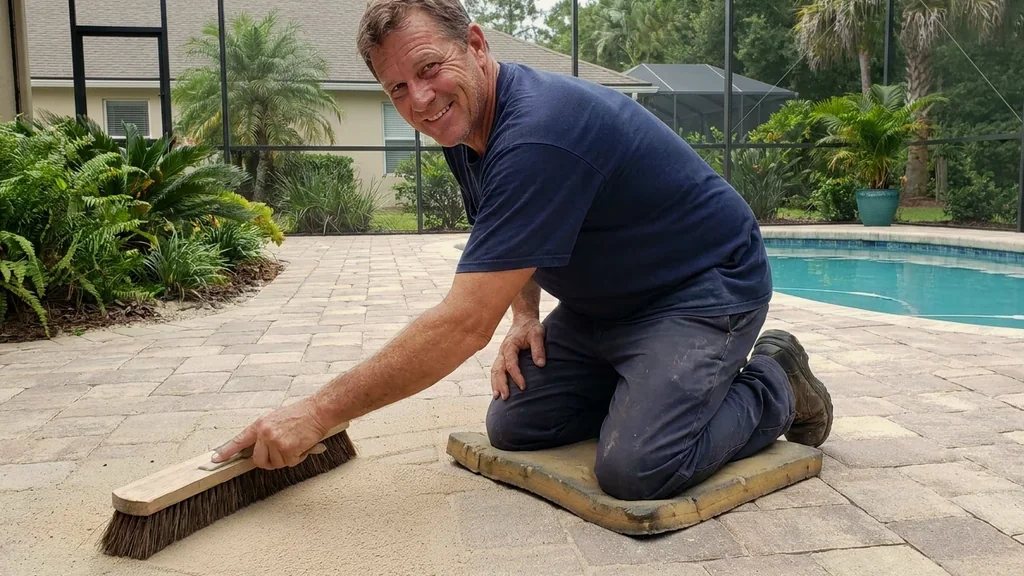
What does a fresh coat of sealer look like on Satellite Beach pavers?
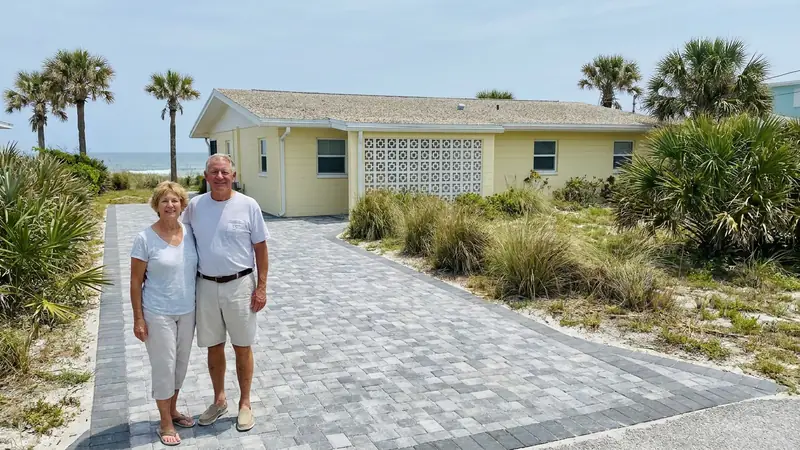
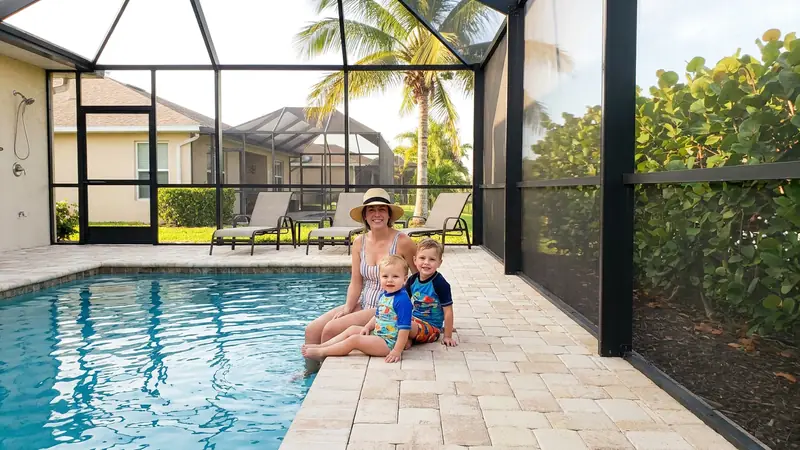
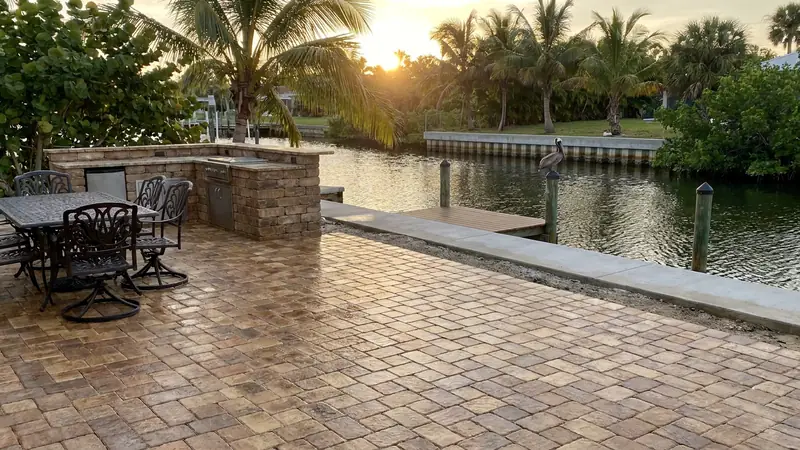
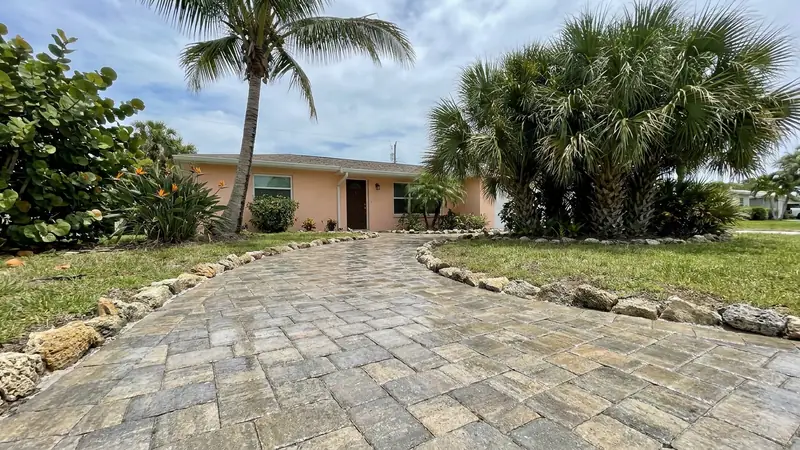
What is the paver sealing process, from the first look to the walk-through?
Sealing follows the same five steps at most homes, laid out below. To get on the schedule, call (321) 455-5098.
1. Measure and inspect
The contractor measures for the sealing quote and looks for sunken pavers, cracks, worn sealer and places where water stands.
2. Pre-treat and wash
Plants get covered and the sprinkler timer goes off. A cleaning solution loosens algae and mildew, then the wash stays at 1,500 PSI or less, with the spray no steeper than 30 degrees so joint sand stays put.
3. Treat stains and white haze
Rust or oil spots get a cleaner chosen for that stain. White efflorescence gets its own treatment before the final rinse.
4. Sand the joints
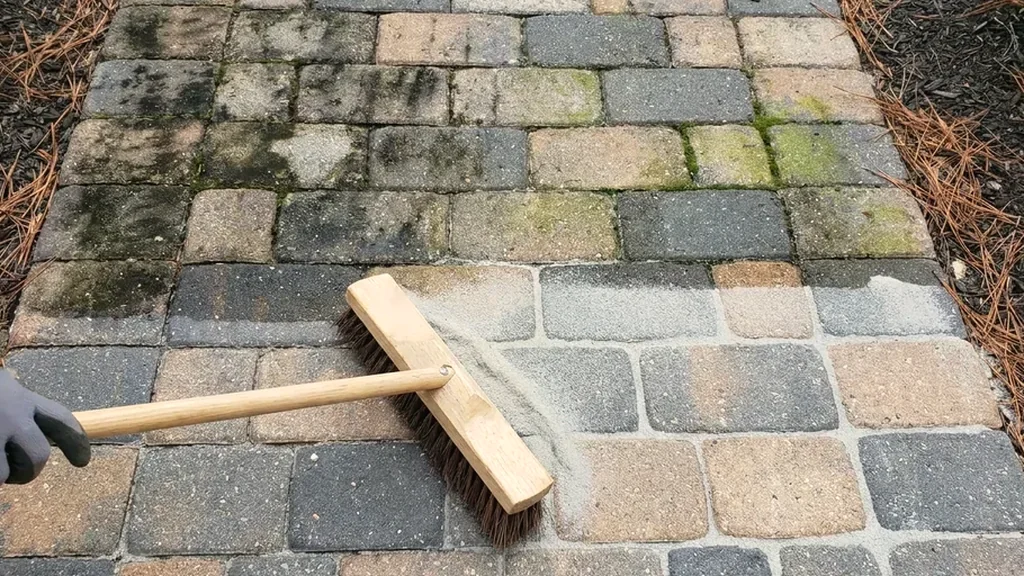
Once the surface dries, sand is swept into every joint and the extra is cleared off. The pavers lock together again.
5. Seal and walk through
Unilock says pavers need a few hours to dry in warm sun and about 24 hours in cool shade. Sealer then goes on thin and even by pump sprayer, a dry roller lifts any pooling, and the contractor tells you when cars can return.
Frequently Asked Questions
How much does it cost to seal pavers in Florida?
A Brevard County paver company publishes $1.85 to $4.00 per square foot to clean, sand and seal, and says condition, sealer type and prep all move the price. A 1,000 square foot pool deck in Satellite Beach lands near $1,850 to $4,000 at that range.
Is it better to spray or roll paver sealer?
Pros often use both. Unilock, a paver manufacturer, suggests a sprayer for an even coat and then a dry roller to soak up extra so streaks and drips do not form. Western Interlock, a paver company, warns that dumping sealer from a bucket leaves splashes and pools.
What do professionals use to seal pavers?
They use a water-based or solvent-based paver sealer, put down by pump sprayer, roller or both. Unilock says water-based products are gentler on the environment and soak into porous concrete, while a solvent-based one may suit some pavers. Ask for the brand and type in writing.
What are the downsides of sealing pavers?
Unilock, a paver manufacturer, lists four. Resealing repeats every three to five years, premium sealers cost more, high gloss can get slippery when wet and a new sealer may not mix with an old one. A test patch helps with the last one.
Does salt air in Satellite Beach wear on pavers and sealer?
Salt does wear on surfaces. Nicolock, a paver manufacturer, says airborne salt can crystallize as moisture evaporates, and it says routine rinsing helps manage buildup in coastal regions. Unilock adds that a sealer with strong UV and salt resistance helps in coastal, sunny parts of Florida.
How long does a paver sealing job take in Satellite Beach?
One to two days is typical, weather permitting, according to a Brevard County paver company. The first stretch goes to cleaning and prep, and larger areas take longer. Sealer needs a dry surface, so a run of rain can move the date.
How long should you stay off pavers after sealing?
A Brevard County paver company says its sealer is rain ready in 45 minutes to an hour and fully cured in 48 hours. It advises waiting 72 hours before driving on it. Unilock also asks you to keep the sprinklers off while it cures.
What happens if it rains right after sealing pavers?
Fresh sealer needs dry weather. Unilock says up to 48 hours of dry weather lets it cure properly, and trapped water can leave white marks. Rain is most common from June through September here, so a contractor watches the forecast and may move the day.
Does a wet look finish make pavers slippery?
It can. Unilock, a paver manufacturer, says high-gloss sealers can be more slippery, especially when wet, and that a matte sealer is a safer choice. Pool decks and front steps are the places to ask about grip.
Want a sealer coat priced for your pavers?
Send the short form or dial the number below. A contractor writes back inside 1 business day, often much sooner.
Free, no obligation