
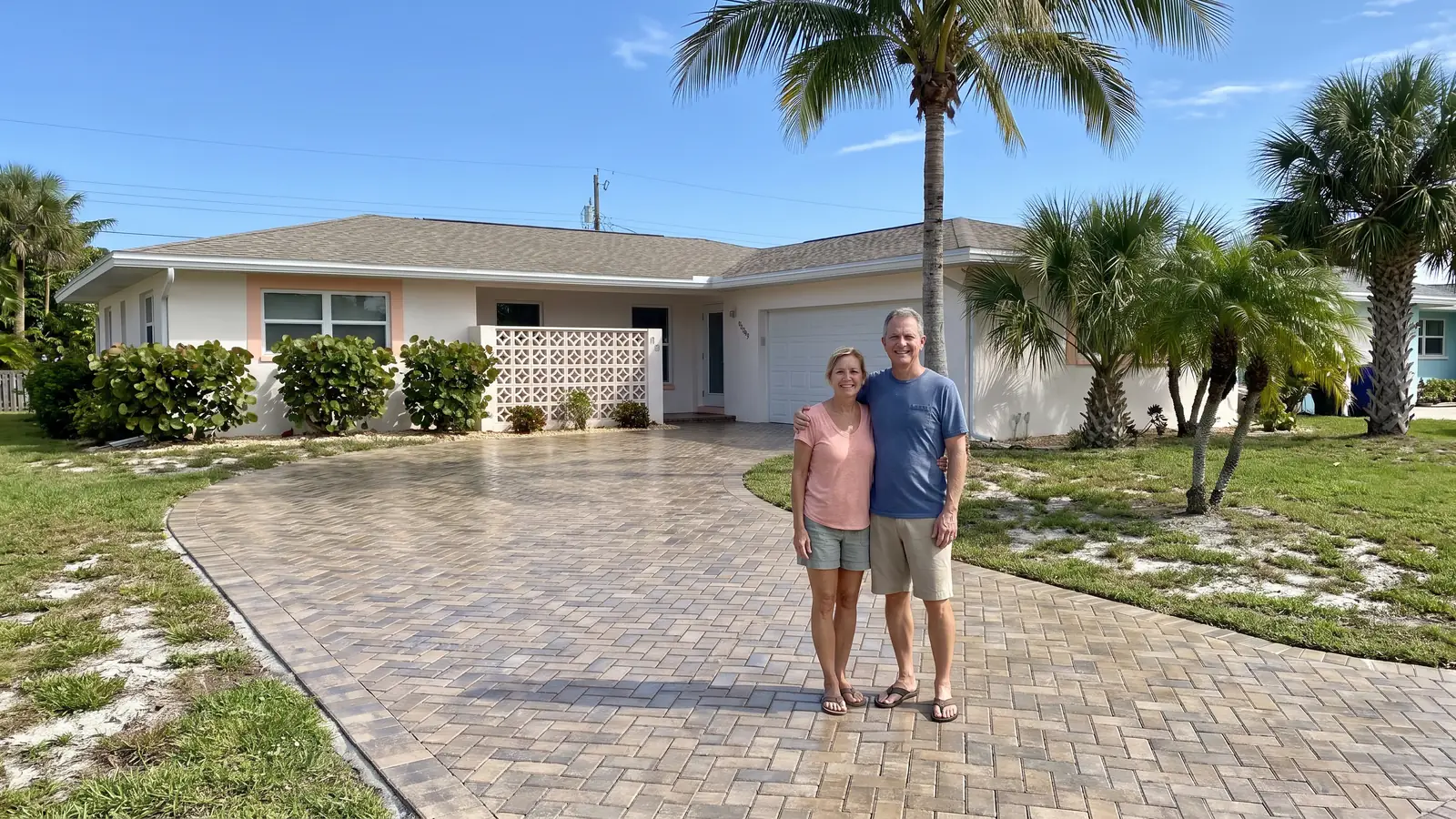
Paver sealing for Melbourne Beach homes
Paver Sealing in Melbourne Beach, FL
From Ocean Avenue to the pier, Melbourne Beach pavers can look new again, so call (321) 455-5098 for a free estimate.
- Brings out deeper paver color
- Fresh joint sand helps lock pavers in place
- Gives weeds less room to grow
- Makes the surface easier to keep clean
- Free estimate, no obligation
Request a Free Estimate
Free, no obligation.
Fast, careful paver sealing in Melbourne Beach
Free estimates for paver sealing in Melbourne Beach cover driveways, pool decks, patios and walks, in town and on the island to the north and south. A local contractor handles the wash, the sand and the sealing. Reach out through ask for a free estimate and a reply should come within 1 business day, usually much sooner.
Picture the path to your front door with salt haze across the pavers and weeds in the joints. A wash, new sand and a fresh coat turn it back into one clean color. To talk first, call (321) 455-5098 and say what the surface looks like today.
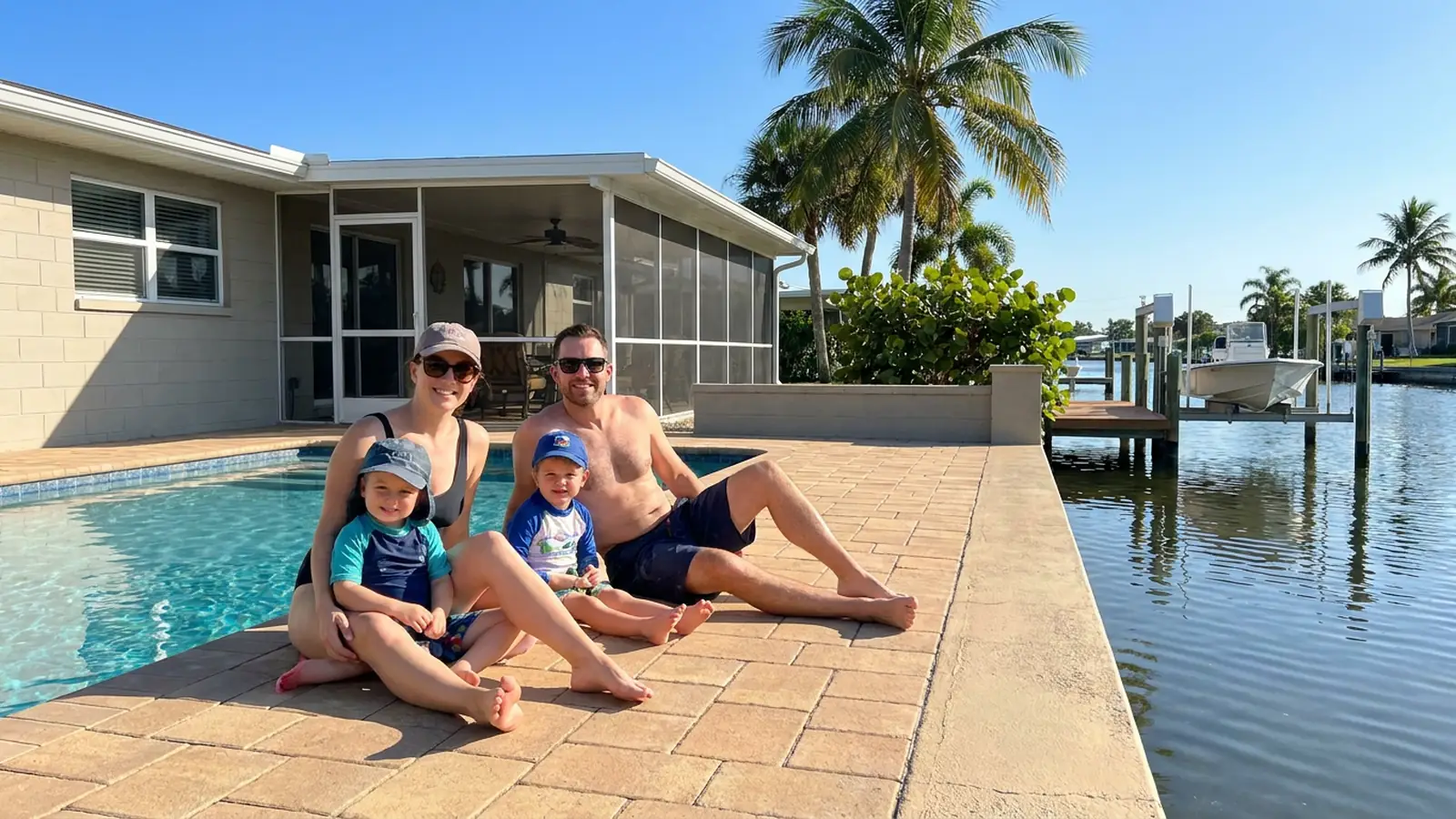
Why hire a local paver sealing contractor in Melbourne Beach?
Melbourne Beach homeowners choose a local paver contractor because an island this old has older homes, salt on the wind and a lagoon on one side. Wondering what that means for your lot? (321) 455-5098 will get you an answer.
A free walk around
The contractor measures your Melbourne Beach pavers and explains the plan at no charge. The price comes before the work.
Range for sizing up bids
Published Brevard County pricing is $1.85 to $4.00 per square foot for the whole clean, sand and seal. Hold any quote up to it.
Weathered or wet look
Matte keeps a lived-in look. A wet look pulls out deeper color but shows scuffs sooner on a busy drive.
No pressure
You choose the day and the finish. A Melbourne Beach estimate carries no obligation.
Get Your Free Estimate in Melbourne Beach
Tell us about your pavers in Melbourne Beach.
Free, no obligation
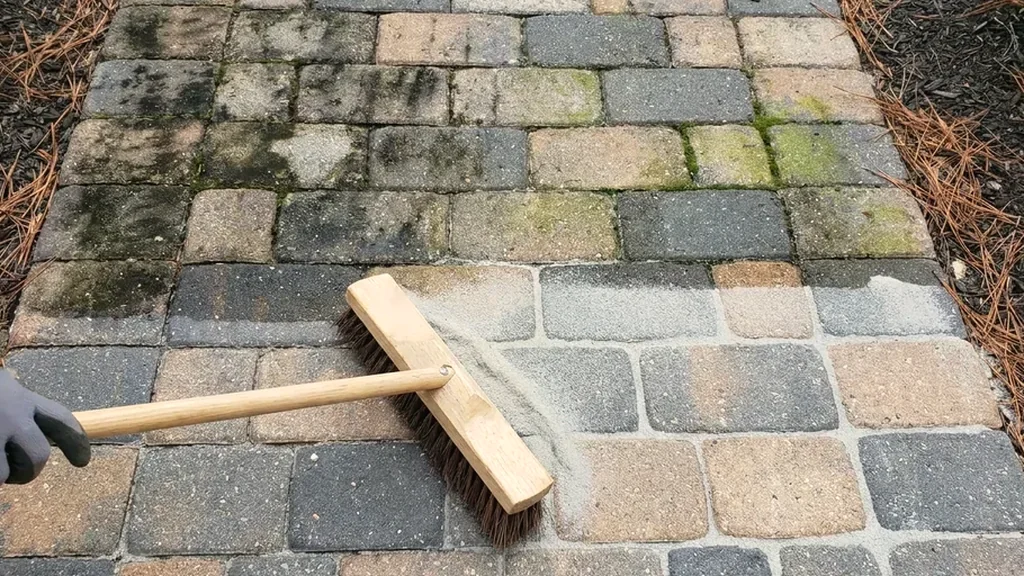
What paver problems show up most in Melbourne Beach?
A salt film that a hose will not remove
A Brevard County company says salt on the island leaves a fine film that a garden hose does not remove. Sealer put over that film bonds to the film instead of the paver, and it peels first along the edges that catch the most spray. So a Melbourne Beach job needs a real wash before any coat goes down. Patios and pool decks closest to the dunes catch the most spray, so they tend to show salt first. The film builds slowly, so a drive that looks fine in spring can show it by late summer.
Older pavers with years of sun on them
A company reading the county tax roll says the typical single-family home in Melbourne Beach went up in 1988, and about 77 percent were built before 2000. Many drives and patios here have a long history of sun and rain. Older pavers often need cleaning and fresh sand before sealer can do its job. Ask the contractor to look at joint sand first, since empty joints are the first sign of age. The Ryckman House of 1890 and the 1912 Villa Marine show how long people have been building here, and some pavers have been down for decades.
Algae in the shaded stretches
The same company says algae shows up on older pavers in shaded, tree-lined stretches near the water. In Melbourne Beach that means walks beside the lagoon and under palms and old oaks. Sealer would trap that green film, which is why the wash always comes first and takes longest in the shade. Sunny stretches clean up fast, while a walk shaded by palms may need a second pass. A travel guide notes the island once held a cover of sea grapes, sea oats and palmettos, so plant growth near the walks is nothing new.
A drying window that closes early
Morning dew, sea breeze and afternoon humidity all shorten the time when pavers are truly dry. A paver top can look dry while the sand below is still damp, and that shows up a day later as milky haze under the coat. This is why a careful contractor waits and checks. Temperature matters too, because the surface can run hotter than the air on a bright afternoon. That is why the contractor treats the joints, not the paver faces, as the real test.
A second home that sits empty
The ZIP code that covers Melbourne Beach counted 2,035 vacant housing units in the 2020 census, a sign of seasonal and second homes. A house that stands empty for months lets salt film and green growth build unseen. Owners often find the pavers worse than they expected on return. A wash and a new coat can be booked while the house is empty. Shorebirds share the island, so overspray near the beach side is handled with care.
Does Ocean Avenue need different paver care than the rest of the island?
Does Ocean Avenue differ from the rest of the island?
Yes, in how the lot is laid out, though the sealing steps stay the same. Ocean Avenue, with its old cottages and the 1912 Villa Marine, sits close to both the lagoon and the pier. Farther north and south the island holds condos and homes in unincorporated Brevard County. When you ask for a free estimate, give your street and say if you live in town or outside it.
How many homes does the ZIP code hold?
The ZIP code that covers Melbourne Beach counted 7,868 housing units in the 2020 census, and 5,322 were single-family homes. Another 1,391 were multifamily units, which often share walks and pool decks. About one in four units stood vacant, a sign of seasonal and second homes. Call (321) 455-5098 if yours sits empty part of the year, and the visit can be set around your return.
How old is the typical home here?
A Brevard County company reading the tax roll says the typical Melbourne Beach single-family home was built in 1988. That tells you many driveways and patios have long histories of sun. Older pavers often need sand and cleaning before any sealer goes on. Tell the contractor your home's age, then ask for a free estimate.
What stands near Oak Street?
Oak Street, near the Y with A1A, holds the old town hall that became a history center in 2007. Ocean Avenue runs to the pier and has Myrtle Cottage near Pine Street and the Ryckman House at number 515. Streets between them blend older cottages with newer homes. Name your street when you ask for a free estimate, and the contractor can see what surrounds you.
What does paver sealing cost in Melbourne Beach?
How does the Brevard range apply on the island?
Companies commonly publish $1.85 to $4.00 per square foot in Brevard County to clean, sand and seal. The low end fits clean, sound pavers on an open drive, while salt film, rust and peeling old sealer push a Melbourne Beach quote up. Pricing starts with a look at your surface, so ask for a free estimate.
What does layout add?
Layout counts too. A large pool deck, a long walk to the door and a courtyard with tight corners all add time. Seasonal owners can ask for a quote before they arrive, so the work happens while the house is empty. Call (321) 455-5098 to ask what fits your schedule.
| Paved area | Typical example | Clean, sand and seal |
|---|---|---|
| 300 sq ft | Small patio or walkway | $555 to $1,200 |
| 600 sq ft | Two car driveway | $1,110 to $2,400 |
| 1,000 sq ft | Large driveway or pool deck | $1,850 to $4,000 |
| 1,500 sq ft | Driveway plus pool deck | $2,775 to $6,000 |
Math based on the $1.85 to $4.00 per square foot that Space Coast paver companies publish. Your contractor sets the actual price after seeing the surface. Repairs, leveling and stripping failed sealer are usually extra.
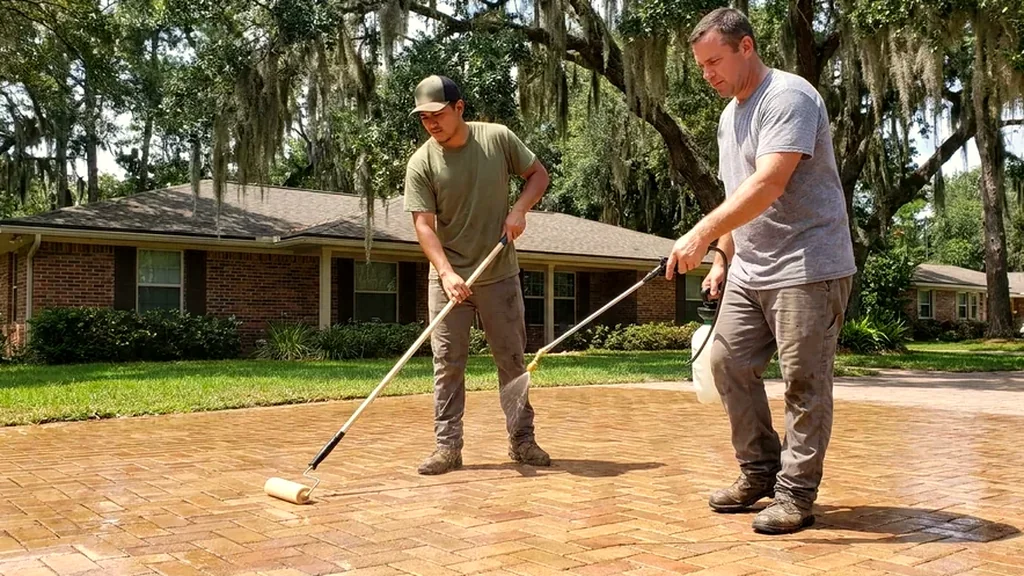
How does a paver sealing job work in Melbourne Beach?
Measure and read the old coat
The contractor measures each surface so the quote carries real square footage. Cloudy or peeling sealer is a clue to what must come off first, and sunken spots are fixed before any coat goes on. Mention any earlier sealing you remember. Pool deck, lanai and steps are priced on their own area.
Strip what is failing, then wash
Failing sealer is washed off, not coated over, since a new coat on a bad layer traps the problem. The wash also clears salt film and green growth from shaded edges. Rust marks and oil spots are treated on their own, and overspray is kept off garage doors and screen enclosures.
Set the sand and give it time
Washing flushes sand out, so fresh sand goes in before the coat. If the sand is the polymeric kind, one Brevard company waits 30 days before sealing over it. Full joints keep pavers steady and weeds down. Ask which sand is planned.
Find the dry window
Pavers must be dry all the way down, in the stone and in the joint sand. Morning dew, sea breeze and afternoon humidity shorten the drying window, one Brevard company says. Manufacturers call for 50 to 85 degrees during application, so the contractor picks the day, not the hour.
Seal evenly and let it cure
Sealer goes on evenly, with edges and nearby surfaces masked. Rain is fine after 45 minutes to an hour, and full cure takes 48 hours, with 72 recommended before driving. Quotes commonly put the next coat two to five years out. Ask for the product name so the next coat starts from facts.
Complete paver services in Melbourne Beach
What rhythm does an island job follow?
A sealing job on this island has a rhythm: strip and wash first, set the sand next, then seal once everything is dry. Sealing too early traps whatever is underneath. For a timeline on a lot like yours, call (321) 455-5098.
Which surfaces get their own plan?
Driveways take tires and full sun, and pool decks take chlorine, salt water and bare feet. Front walks near the Ocean Avenue cottages may sit in shade and stay damp, while patios behind the dunes get wind and spray. Tell the contractor about each surface when you ask for a free estimate.
Which sealer and which finish?
A water-based sealer cannot go over a solvent-based one, so the old coat narrows the choice. Matte keeps a worn-in look that suits an older home, and a wet look brings out color. Underneath, both protect the same way. Call (321) 455-5098 to talk through it.
How do storms and dew move the date?
Summer storms and heavy dew shorten the safe window on the island, so a job can move a day or two. With good planning, sealing runs all year. To pick a date that fits your week, ask for a free estimate.
Questions to ask before you hire
- Does the quote say if the joint sand gets replaced, and with what kind?
- How many days do I stay off the pavers, and when can the cars come back?
- Will you tell me the square footage and the price per square foot before you start?
- Does your sealer hold up to salt air and sprinkler water near the coast?
- Will you cover my plants and shrubs before you spray?
- How do you deal with the white haze that can show up under a sealer?
- Is the estimate in writing, and does it name the sealer?
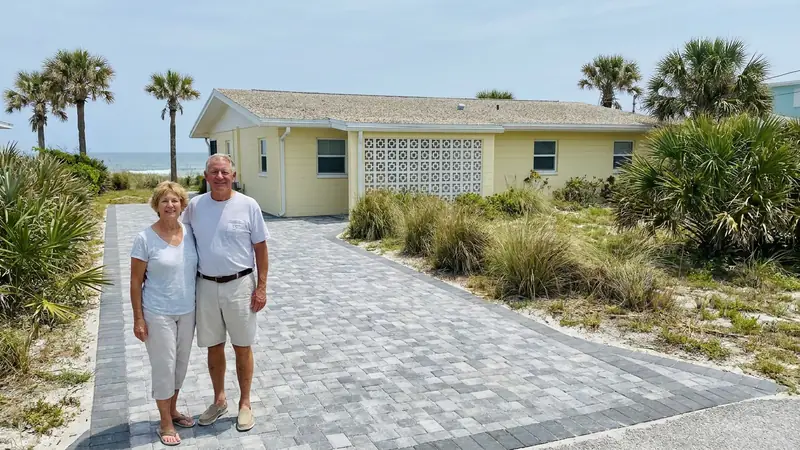
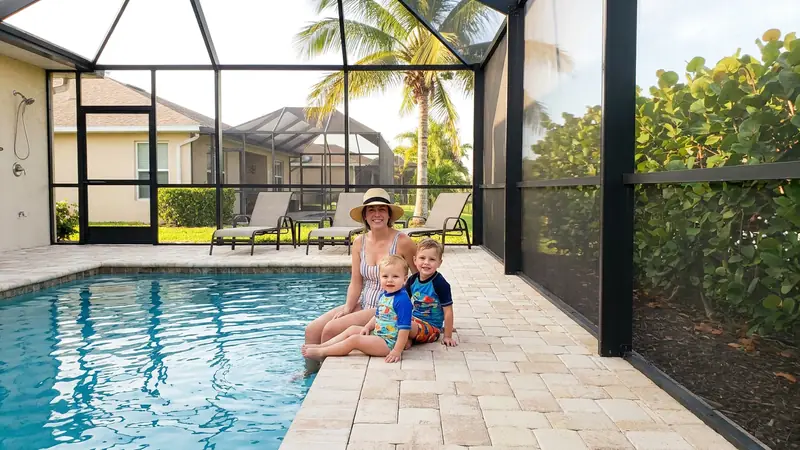
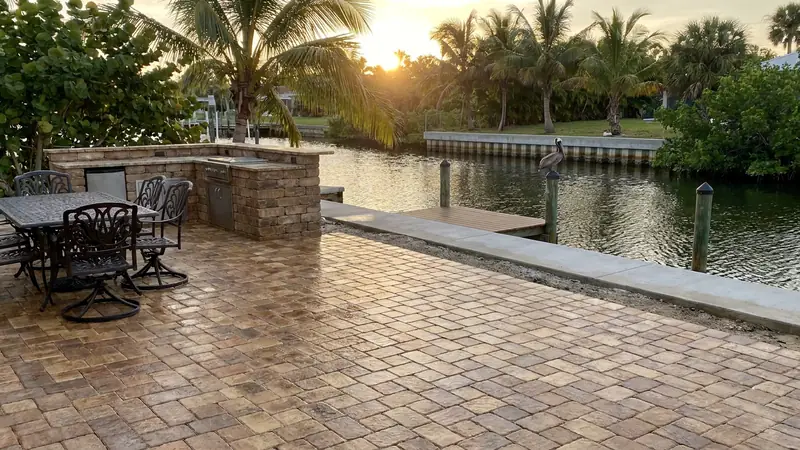
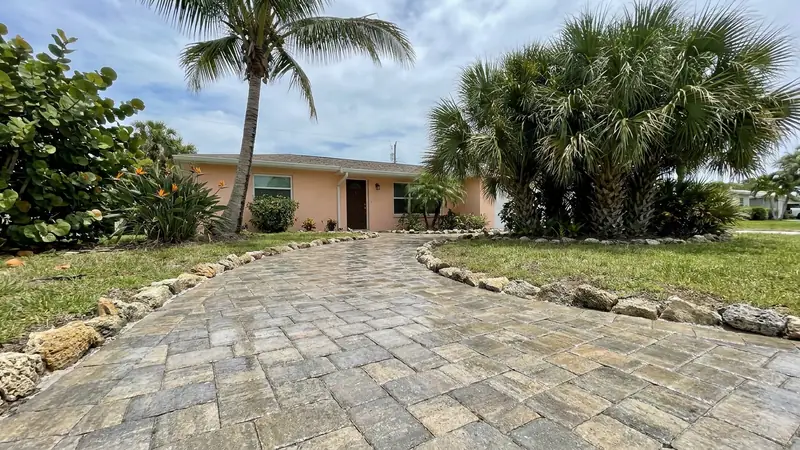
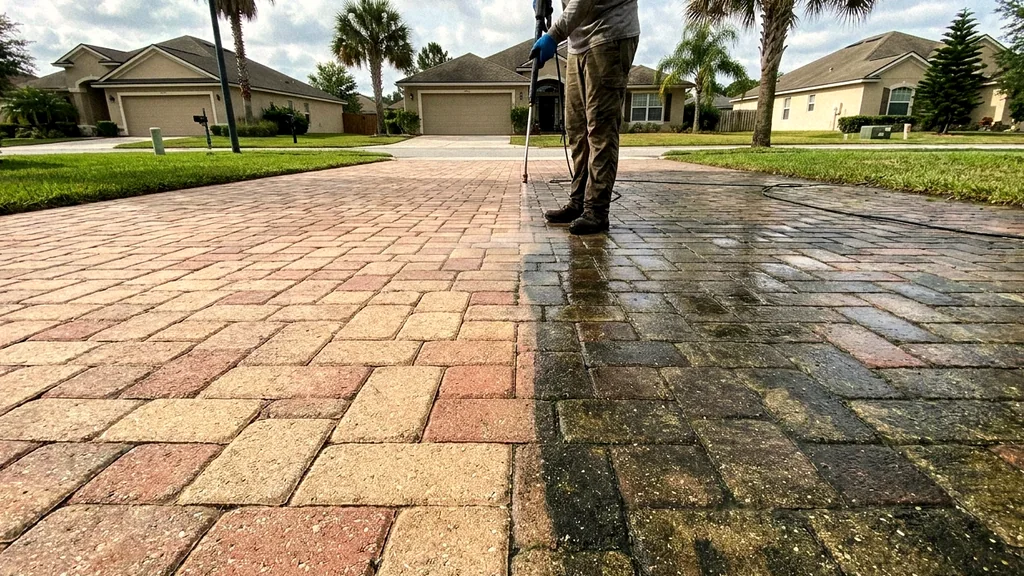
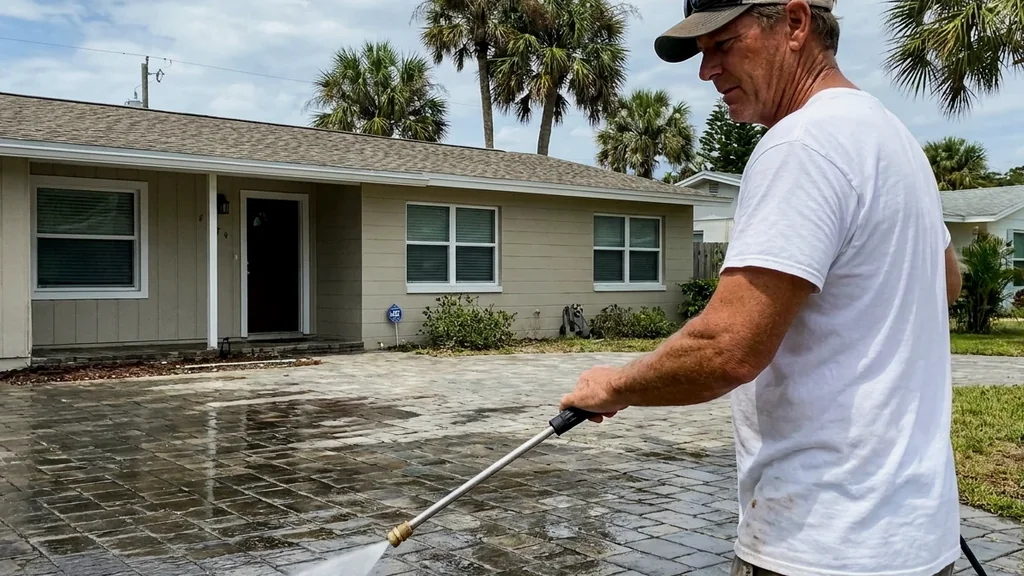
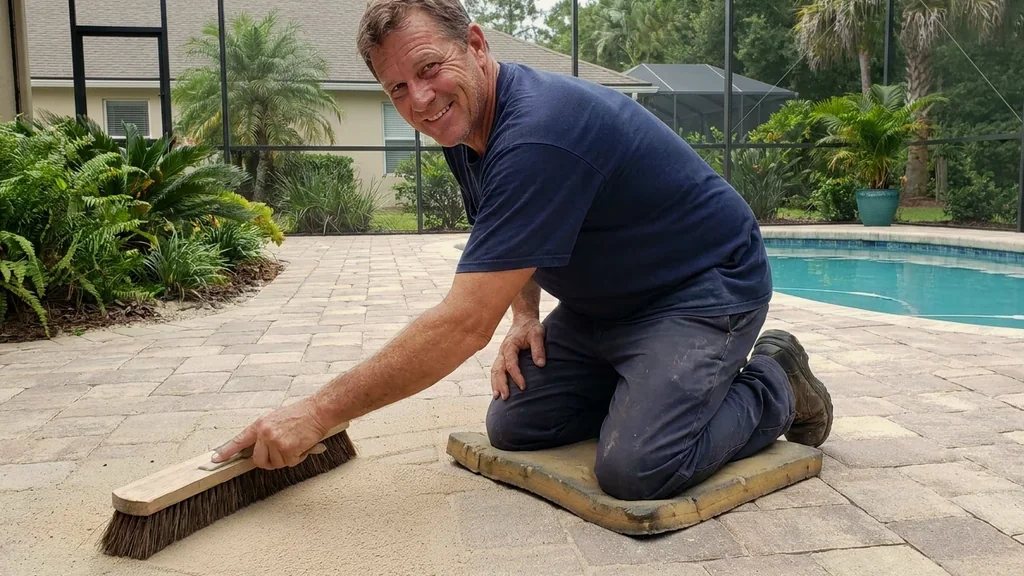
What do sealed pavers look like around Melbourne Beach?
Why local matters in Melbourne Beach
Why does island experience matter?
A contractor who works the barrier island knows how fast salt builds on pavers and how humid mornings slow drying. That shapes how long a wash lasts and when sealer can go down. Someone from the mainland may plan by the clock. To reach someone who works the island, dial (321) 455-5098.
What if you are away part of the year?
A local contractor is used to setting work around an owner's travel plans. You can schedule the visit while you are in town and the sealing while you are away. The estimate stays free either way, so ask for a free estimate.
Why do older cottages need careful rinsing?
Older cottages near Ocean Avenue call for care with rinse water and overspray, and a local contractor knows to keep spray off wood siding and screen enclosures. That care is easy to skip on a long job. If your house is one of the older ones, call (321) 455-5098 and mention it.
What should you check before the visit?
Before the visit, check which side of your pavers faces the water. Salt leaves a fine film that a garden hose does not remove, so the windward side may look different from the sheltered side. Photograph both and send them when you ask for a free estimate.
Where do the edges peel first?
Walk the driveway and note the edges where spray lands, since sealer put over salt film peels first along the edges that catch the most spray, according to a Brevard company. Mention those edges when you call (321) 455-5098, so the wash starts there.
Why does Melbourne Beach's age matter when I hire a paver contractor?
Why does the age of the island matter?
It matters because Melbourne Beach is Brevard County's oldest beach community, so its homes and lots carry decades of wear. Myrtle Cottage went up in 1888 on Ocean Avenue, and the Community Chapel followed in 1892. The pier was built in 1889 and restored in 1985. If your house stands close to one of these places, ask for a free estimate.
What did early buildings use?
The Villa Marine opened in 1912 with concrete block made from sand dug on the spot, and the old town hall of 1908 is now a history center on Oak Street. A ferry once brought visitors across the lagoon, and a push car ran on rails down Ocean Avenue. Call (321) 455-5098 and mention how long your pavers have been down.
When was Melbourne Beach founded?
Most histories place the founding of Melbourne Beach in 1883, when Major Cyrus Graves began buying land at $1.25 an acre and raising pineapples. The Oak Lodge hotel for naturalists was built in 1879 near Aquarina. Many of the island's oldest lots sit near the pier. If your home sits on one of those older lots, call (321) 455-5098.
Frequently Asked Questions
What is the average cost to seal pavers in Melbourne Beach?
Count on $1.85 to $4.00 per square foot for the wash, sand and seal, a range posted by Brevard County companies. A Melbourne Beach job moves toward the top when old sealer, rust or heavy salt film needs extra work. Ask for the measured area so the quotes line up. Plan on a fresh coat when the shine fades. Pools, patios and walks on the island all fall in the same range.
How often should pavers be resealed in Florida, and does Melbourne Beach change that?
Companies in the area commonly quote two to five years before the next coat. Sun and salt air on the island push a driveway toward the shorter end. Watch for fading and stains. If water sinks in and darkens a paver instead of beading, the coat has thinned. Check the pavers each spring for fading and stains.
Is there a downside to sealing pavers in Melbourne Beach?
The main downsides are upkeep and timing. A sealer wears down and needs another coat later, and a wet look scuffs more visibly than matte. It also needs a dry surface, which can delay a job near the water. Ask what the old coat is made of before choosing a finish.
Is it better to spray or roll paver sealer in Melbourne Beach?
A Brevard company sprays at low pressure and a steady pace, masking edges and nearby surfaces. The goal is even coverage with no puddles. Ask which method your contractor plans and how the garage door will be protected. A masked edge also keeps spray off screen enclosures and cars.
Can you seal Melbourne Beach pavers that were never sealed?
Yes. A Brevard company says it is not too late: the pavers are washed to remove grime and algae, dried fully, and then sealed. Expect more cleaning than on pavers kept up on a schedule. The company adds that never-sealed pavers need more cleaning work first.
Why do sealed pavers turn white in Melbourne Beach?
A white haze can come from sealing over pavers that looked dry but held moisture in the sand. A Brevard company says that shows up a day later as milky haze under the coat. Another company says efflorescence or the wrong product can also turn pavers white. Ask the contractor how the sand will be checked before sealing.
How long before I can drive on my Melbourne Beach pavers after sealing?
Plan on 72 hours, which a Brevard company recommends before driving on sealed pavers. The coat can take rain after about an hour and reaches full cure at 48 hours. Park elsewhere until the contractor says it is safe. Cars come back once the contractor says the coat is ready.
What should a Melbourne Beach paver quote list?
It should show the measured area, the price per square foot, the sealer and the finish. A Brevard company offers itemized written estimates so homeowners can compare honestly. Ask whether the joint sand will be replaced and with which kind. A written quote also helps when you compare two bids. The ZIP code counts 7,868 housing units, so many owners compare more than one bid.
Do Melbourne Beach pool deck pavers need a special sealer?
Yes, pool decks face chlorine, salt water, sun and constant moisture. A Brevard company says sealing cuts the slip risk from algae and that the product should offer suitable slip resistance. Ask the contractor which sealer is planned for the deck. A matte finish near the water can add grip. Pool decks near the beach also pick up sand.
Does paver sealing stop green growth in Melbourne Beach?
It slows it, but it does not stop it for good. A sealed surface sheds water and dirt better, so algae has less to hold onto. Shaded walks near the lagoon still need a wash now and then. Shaded walks beside the lagoon go green first.
What happens if it rains right after my Melbourne Beach pavers are sealed?
According to a Brevard company, fresh sealer can see rain after 45 minutes to an hour. Full cure takes 48 hours. During the summer wet season the contractor may move the day, so ask how a storm change is handled. The island gets storms in summer, so ask about a backup date.
Should I seal second-home pavers in Melbourne Beach while I am away?
Yes, it can be done while the house is empty. Many owners are away part of the year in this ZIP code. Ask the contractor for a quote first and a date that suits your return.
Ready for a Free Estimate in Melbourne Beach?
Call (321) 455-5098 and tell us about your pavers.
Free, no obligation