
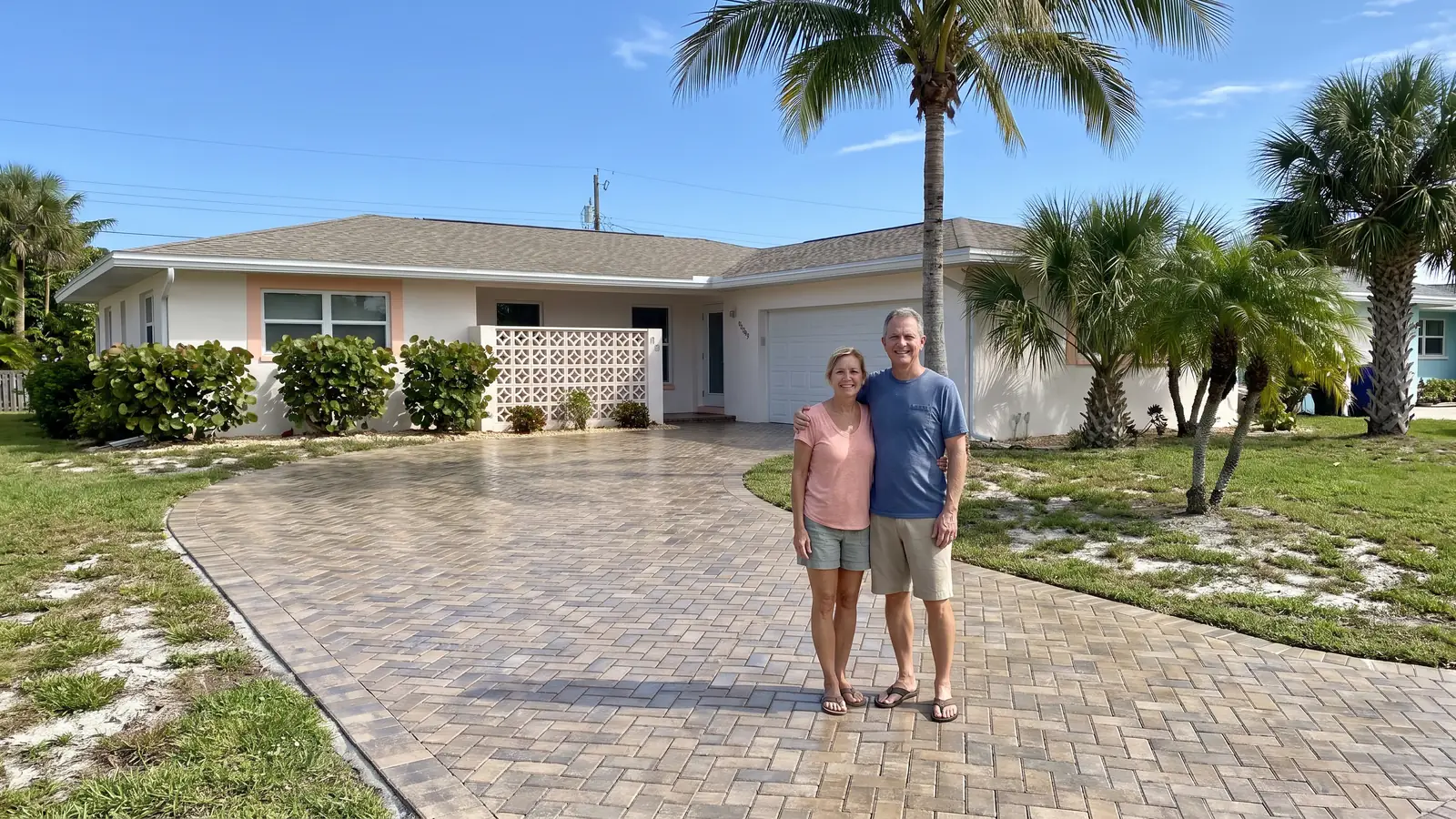
Paver sealing for Melbourne homes
Paver Sealing in Melbourne, FL
Faded pavers on Babcock Street or the Beachside can look fresh again, so call (321) 455-5098 for Melbourne's free estimate.
- Brings out deeper paver color
- Fresh joint sand helps lock pavers in place
- Gives weeds less room to grow
- Makes the surface easier to keep clean
- Free estimate, no obligation
Request a Free Estimate
Free, no obligation.
Fast, careful paver sealing in Melbourne
Paver sealing in Melbourne covers everything from the old blocks near downtown to the newer streets west of Babcock Street. A local contractor cleans the pavers, refills the joints and seals driveways, pool decks, patios and walkways. Call (321) 455-5098 for a free estimate, and a reply lands within 1 business day, often much sooner.
Picture a driveway that has gone dull and gray, with weeds poking up along the joints and a few orange freckles where the sprinklers land. After a wash, fresh sand and a new coat, the color comes back and the joints look tidy again. Describe what you see on your pavers when you ask for a free estimate, and the contractor will plan from there.
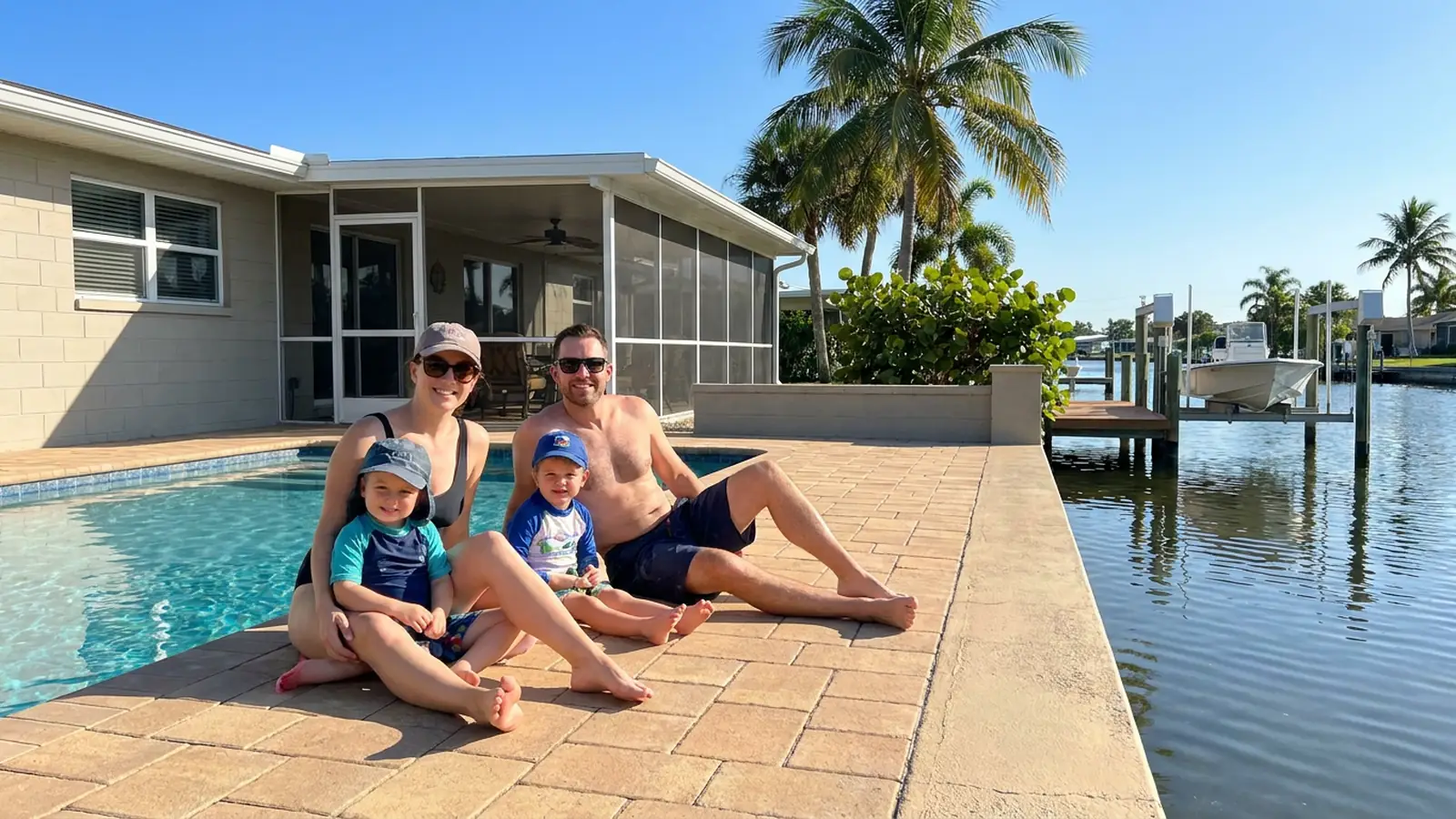
Why hire a local paver sealing contractor in Melbourne?
Melbourne was built in layers over more than a century, so one street can hold pavers of different ages and coatings. A local contractor learns to read that from the first visit, and you can ask for a free estimate to get that look at your lot.
Looks at no charge
A contractor walks your Melbourne driveway, pool deck or walkway for free, and nothing moves forward until you say so.
A bid you can check
Lay your Melbourne quote beside the published $1.85 to $4.00 per square foot for washing, sanding and sealing, and see where it falls.
The sheen is your call
Matte reads natural, while a wet look adds shine but shows scuffs sooner. Pick whichever suits your house.
Answer inside a business day
Expect a reply within 1 business day, usually sooner, along with a short list of questions about the pavers you want done.
Get Your Free Estimate in Melbourne
Tell us about your pavers in Melbourne.
Free, no obligation
What paver problems show up most in Melbourne?
Thunderstorms that rinse out the joints
Melbourne averages 51 inches of rain a year, and much of it arrives in thunderstorms between late May and early October. The city sits only 26 feet above sea level, so a flat driveway has little slope to shed water. Hard rain on open joints washes sand out, and soil settles in to feed weeds. Fresh joint sand before sealing keeps the next storm from undoing the work. Ask the contractor what sand goes in and how the joints will be filled.
Sprinkler spots that dry white or orange
Melbourne reports lake water, well water and finished water as separate readings, and it also makes reuse water for irrigation. UF's Florida Friendly Landscaping program says most Florida well water is high in iron and leaves orange streaks where it lands. A sprinkler head within a few feet of the driveway is the first place freckled lines appear. Sealer would lock those marks in, so they are treated first. The city also lists reuse water made at two reclamation facilities, so it is worth knowing which water feeds your sprinklers.
Salt air on the Beachside
Melbourne Beachside is a small part of the city on the barrier island. A Brevard paver company points to salt air as a reason Melbourne pavers wear faster, and pool decks near the water add chlorine and constant moisture. Surfaces that never got a coat can turn dull and chalky. A short check every year or two catches early signs before the surface flakes. After wind-driven spray, a gentle rinse helps between coats.
A coat you did not apply yourself
Melbourne grew in stages, from an 1880s village to the 1969 merger with Eau Gallie, so many properties have changed hands. A new owner may not know what was put down, and that matters because a water-based product will not bond to a solvent-based coat. If the surface looks cloudy, flaky or patchy, ask the contractor to test it before choosing a product. A past owner's receipt with the product name saves testing time. Early photos of the driveway, even from a listing, can show whether a coat was ever there.
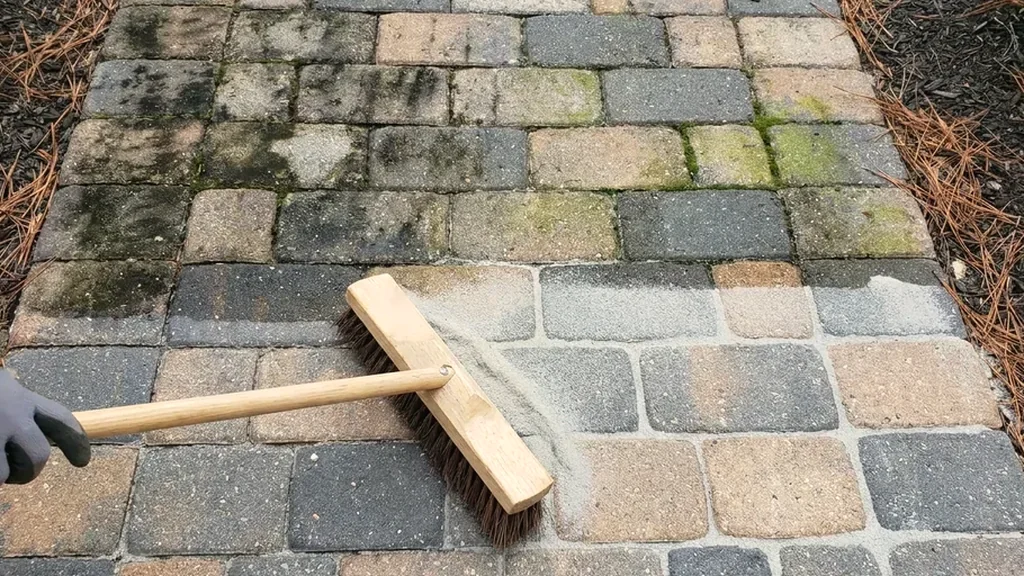
Weeds and green film in the joints
Lost joint sand lets joints widen and soil enter, which feeds weed growth. Extension guidance adds that moss, lichens and algae should not grow on interlocking concrete pavers unless the area is heavily shaded. Green growth in full sun points to the joints as the likelier cause. A wash, fresh sand and a coat address both. Morning dew counts as moisture, so the contractor may wait until the surface is fully dry. Ask the contractor to point out where the joints are thinnest.
Do older Melbourne streets need a different sealing plan than newer ones?
Often yes, because Melbourne is a patchwork of eras. A fire in 1919 destroyed most of the first downtown along Front Street, and the town was rebuilt west of U.S. 1 with frame vernacular houses. A driveway near that old core may have changed owners many times, so tell the contractor roughly when the house was built when you ask for a free estimate.
The street grid also tells you something. Brevard Drive was the historic center line, with Babcock Street as the other axis, and streetlights reached the streets east of Babcock first, in the early 1960s. Homes on blocks that filled in during the postwar years often added pavers long after the house went up. Call (321) 455-5098 and say which side of Babcock you live on.
Eau Gallie joined Melbourne in 1969, which doubled the city, so some neighborhoods have a different history than the downtown side. Out on Melbourne Beachside, the island setting adds salt air to the list. Pool decks there face chlorine and constant moisture too. Share your cross streets when you ask for a free estimate, and the contractor can plan around your part of town.
What does paver sealing cost in Melbourne?
Brevard County companies publish $1.85 to $4.00 per square foot to wash, re-sand and seal. A Melbourne bid lands somewhere in that band based on grime, old coating and how easy the work area is to reach. One local company notes that bigger areas often cost less per square foot, though the total still climbs. To get a figure for your lot, ask for a free estimate.
Surprises cost more than square feet do. Sunken pavers get reset, cracked units get replaced and a failed old coat gets stripped before anything else happens. Add a pool deck behind the driveway and the area grows fast. Call (321) 455-5098 and have each extra written out by name.
| Paved area | Typical example | Clean, sand and seal |
|---|---|---|
| 300 sq ft | Small patio or walkway | $555 to $1,200 |
| 600 sq ft | Two car driveway | $1,110 to $2,400 |
| 1,000 sq ft | Large driveway or pool deck | $1,850 to $4,000 |
| 1,500 sq ft | Driveway plus pool deck | $2,775 to $6,000 |
Math based on the $1.85 to $4.00 per square foot that Space Coast paver companies publish. Your contractor sets the actual price after seeing the surface. Repairs, leveling and stripping failed sealer are usually extra.
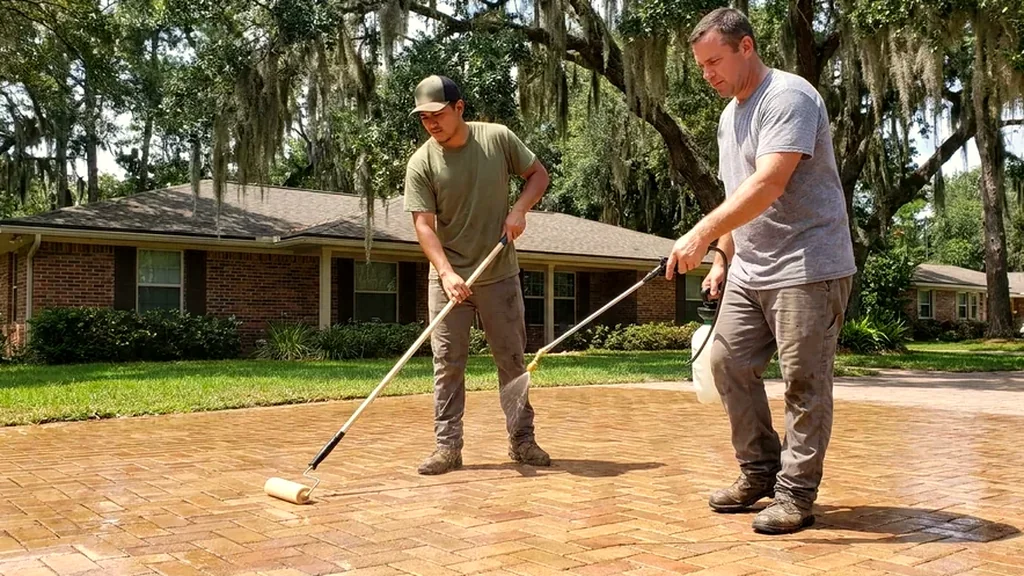
How does a paver sealing job work in Melbourne?
Start with a slow walk
The contractor crosses your Melbourne driveway and deck slowly, noting where water drains, where sprinklers land and which pavers sit low. A dip gets reset first, because a coat over a dip locks it in. Where an old coat shows, a quick test tells which product can follow it. Say whether the house sits on an older block near downtown or a newer street west of Babcock, since that hints at what is down. Mention any shared drive or a walk that runs into a neighbor's. One Brevard company opens its routine with a pretreat, so ask whether yours does.
Wash, then treat the stains
Washing lifts the dirt, mildew and rust freckles. Irrigation leaves orange marks that need their own treatment, because sealer holds onto whatever remains. Plants and siding get covered or rinsed down. One Brevard company lists an efflorescence treatment as a normal part of its routine. A last rinse on garage doors and lanai screens keeps spots from drying on them.
Put the sand back
The wash carries sand out with the grime, so fresh sand is swept in until the joints are full again. Summer downpours in Melbourne can empty thin joints quickly. Ask whether this step is priced into your quote. Corners and the edge nearest the street get checked last, since sand loss is usually worst there. A second pass along the garage edge is common.
Let the pavers dry
Sealer will not bond to wet pavers. When afternoon storms are in the forecast, a good contractor moves the day. One Brevard company says September through May brings lower humidity and less rain. Shaded corners may need extra hours. Ask for a call if the date shifts, so nobody is left waiting.
Seal it and stay off
The sealer goes down in the finish you picked. Gloss shows tire scuffs faster than matte, which counts on a driveway used every day. One Brevard company says rain is safe after about 45 minutes to an hour, with 72 hours advised before cars. Pets, bikes and chalk drawings should stay off until the surface is ready. If you want a particular sheen, ask to see a small test patch first. That same company applies a first and a second coat, so ask how many coats your quote includes.
Complete paver services in Melbourne
Picture the Melbourne job as a relay with five legs: wash, stain treatment, joint sand, dry time and sealer. Each runner hands off to the next, so a missed leg shows in the finish. Driveways and walks usually take a day or two. Call (321) 455-5098 to hear how much time a pool deck would add.
The surfaces age in different ways. Tires and runoff mark the driveway, chlorine and splash dull the deck, and sprinkler spray stripes the front walk. Leaves and mildew gather on lanai floors and patios. List every one of them when you ask for a free estimate, so a single quote covers the job.
Sealer splits into water-based and solvent-based, then into matte and wet looks. One Melbourne company ties water-based to a natural matte finish and solvent-based to high gloss. Whatever coat is already down may narrow the choice. Call (321) 455-5098 to work through finishes for your house.
Weather writes the calendar in Melbourne. Thunderstorm risk comes daily from late May through October, and November through April is calmer. A contractor wants several dry days in a row before sealing, so a date can shift. When you ask for a free estimate, ask which weeks look workable for your street.
Questions to ask before you hire
- Does the quote say if the joint sand gets replaced, and with what kind?
- Does your sealer hold up to salt air and sprinkler water near the coast?
- Is the estimate in writing, and does it name the sealer?
- How many days do I stay off the pavers, and when can the cars come back?
- Will you cover my plants and shrubs before you spray?
- Can you finish with a matte look instead of a wet shine?
- What do you use to lift rust marks from well water off my pavers?
What do sealed pavers look like around Melbourne?
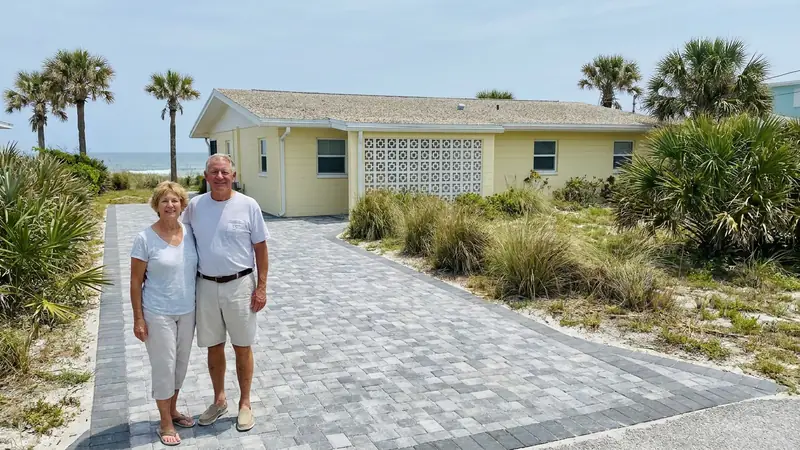
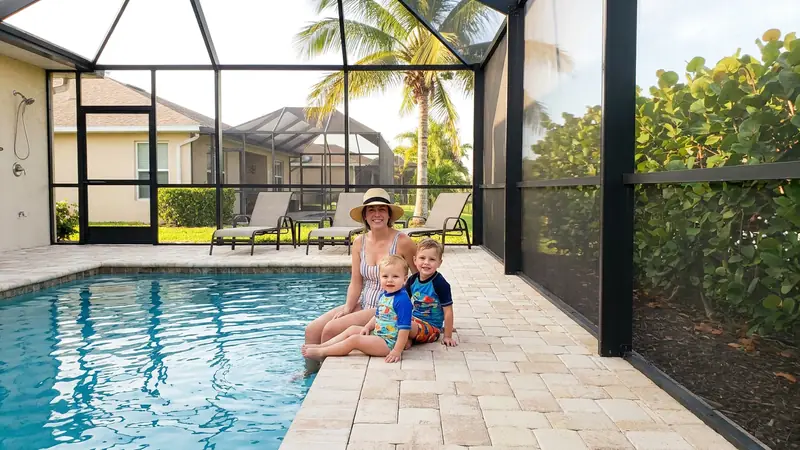
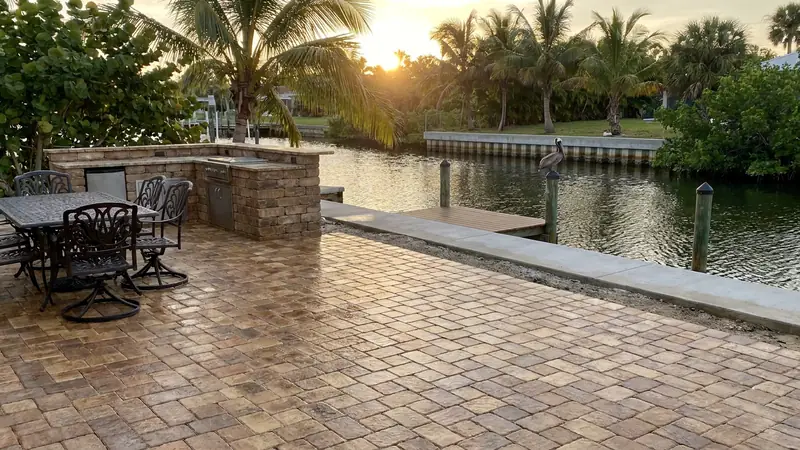
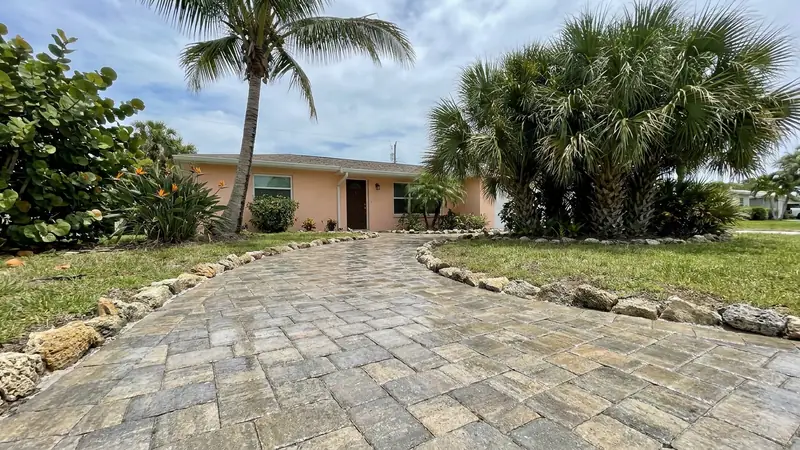
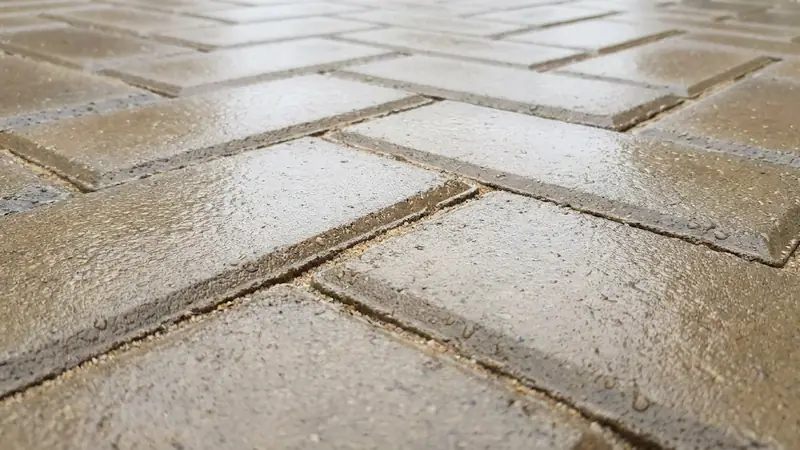
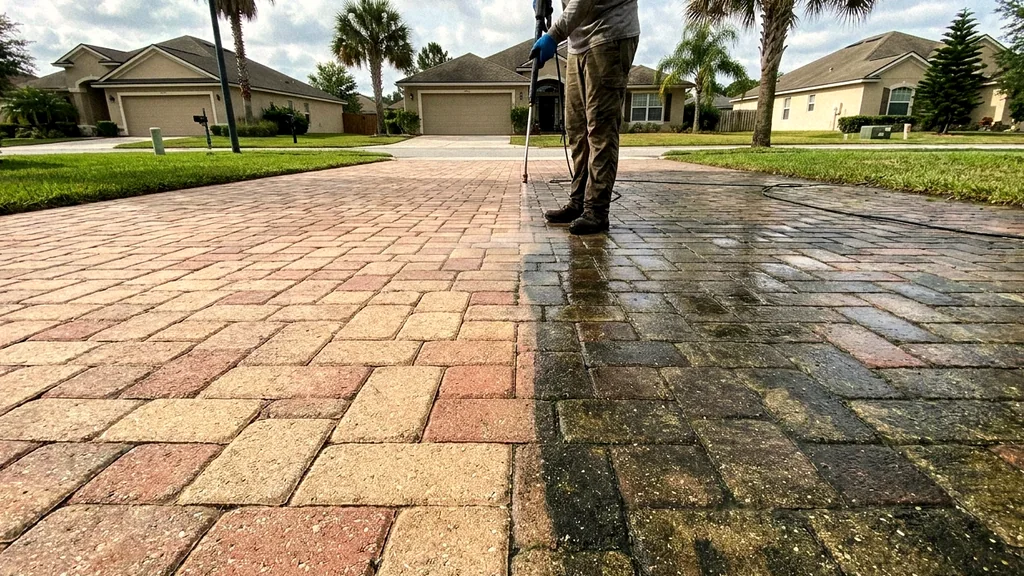
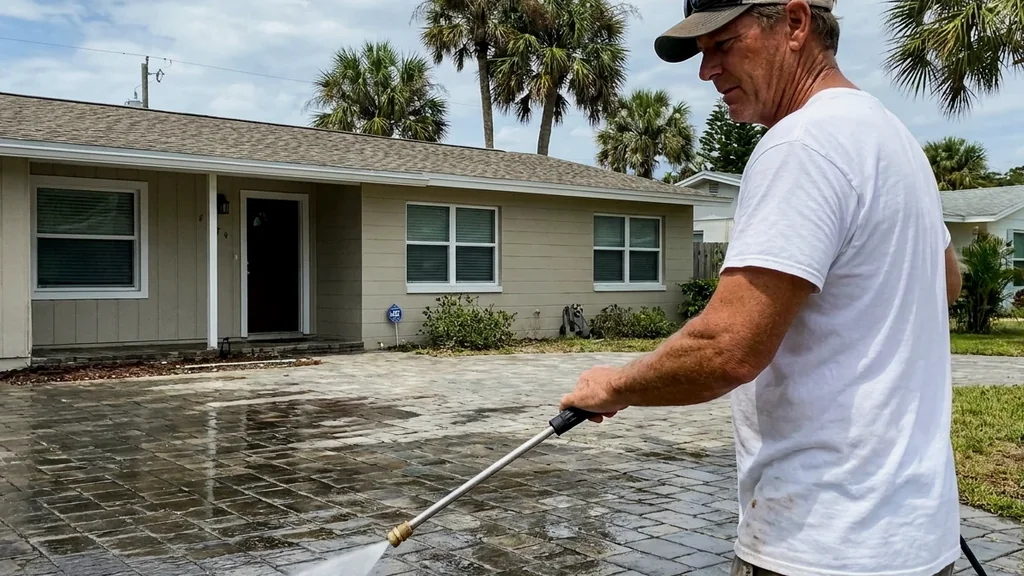
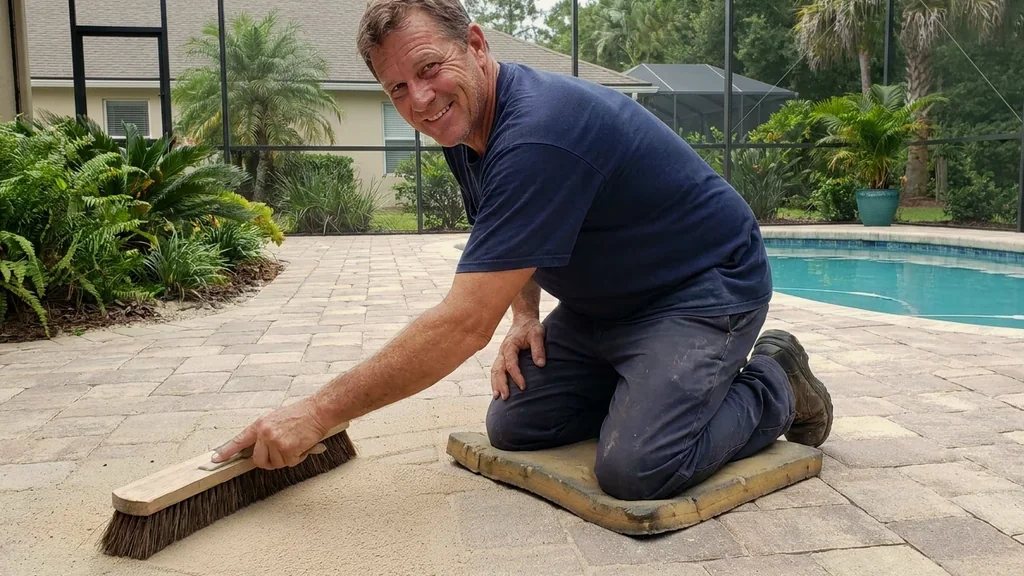
Why local matters in Melbourne
Why does a long city need nearby crews?
A contractor based nearby knows Melbourne stretches from the lagoon side to the airport, with different ground on each side. Some streets sit on older lots near downtown, and others came with the growth along Babcock Street. For someone who knows that ground, call (321) 455-5098.
What are the local wild cards?
Storms and sprinklers are the local wild cards. Thunderstorms arrive fast from late May on, and irrigation water can leave iron freckles on stone. A nearby contractor plans around both. Ask how that works when you ask for a free estimate.
Why is an old coat a mystery?
Then there is the mystery coat. A Melbourne house might be seventy years old or three, and the driveway sealer could be anyone's guess. Contractors who see many driveways learn to spot an old solvent coat fast. Send the address and the age of the house when you ask for a free estimate.
What should you note before the visit?
Walk your property before the visit and note the oldest-looking pavers, the spots that stay green and any place where water pools. If you live on the Beachside, add the places salt spray reaches. Photos of each area help, and you can send them with your request through ask for a free estimate.
Which areas come first?
Write down which paved areas you want done and which matter most, such as the driveway first and the pool deck later. A short priority list lets the contractor quote in stages. Say it when you call (321) 455-5098.
How did Melbourne grow, and why does it matter for pavers?
Melbourne grew in steps. It began as a settlement on Crane Creek around 1867, became a village in 1888, rebuilt its downtown after the 1919 fire and then spread west along Babcock Street. Brevard Mall opened in 1962 and Melbourne Square in 1982, which pulled shops and homes farther out. If your street sits between those landmarks, call (321) 455-5098.
The military and the airport shaped the map too. Naval Air Station Melbourne began training pilots in late 1942, and that land became most of what is now the Melbourne Orlando International Airport. Florida Tech now houses the town's first school building from 1883 on its campus. Near any of these places, ask for a free estimate and the contractor will ask when your pavers went in.
Frequently Asked Questions
How often should pavers be resealed in Melbourne, Florida?
One Brevard County company says every 2 to 3 years in this climate, while others quote two to five. Pool decks and Beachside driveways sit at the short end, since chlorine, salt air and sun wear a coat down faster.
How much does it cost to seal pavers in Melbourne?
Published Brevard County rates run $1.85 to $4.00 per square foot for cleaning, sanding and sealing. Area, condition and leftover old coating set your Melbourne number. A measured square footage in writing lets you line up bids side by side.
Is it better to spray or roll paver sealer in Melbourne?
Many crews spray first and then back-roll, so the sealer works into the joints. The prep matters more than the tool. Ask how many coats are planned and how the joints get handled.
Do patio pavers need to be sealed in Melbourne?
Not by law, but a coat helps in a humid, rainy city. It slows weeds, makes stains easier to clean and holds color against the sun. Patios near sprinklers or a screened pool gain the most. A free look tells you whether yours can wait.
Does Melbourne have hard water, and does it spot pavers?
The city reports lake water, well water and finished water as separate readings, so the answer depends on the source. On pavers, the usual culprit is iron or minerals in irrigation water. Orange freckles should be treated before sealing.
Can you put new sealer over old sealer on Melbourne pavers?
Sometimes. The contractor tests the surface before choosing a product, because water-based sealer will not bond to a solvent-based coat. If the old coat looks cloudy or is peeling, stripping it can come before anything new goes on.
How long should I stay off my Melbourne pavers after sealing?
Feet are usually fine once the sealer dries. A Brevard company says rain is safe after about 45 minutes to an hour and advises 72 hours before driving on it. The contractor can name the exact wait for your product.
What time of year is right to seal pavers in Melbourne?
A Brevard County company points to September through May, when humidity and rain run lower. Other months can work with careful planning. What counts is a dry surface and a few dry days.
What does a Melbourne paver sealing estimate include?
Look for the square footage, the surfaces covered and each step: washing, joint sand, sealer and finish. The number of coats belongs in it too. Ask whether stain treatment and repairs are priced in or extra.
Will sealing fix sunken pavers on my Melbourne driveway?
No. Sunken or lifted pavers must be reset first, and a coat over a low spot keeps the low spot in place. Point out dips and loose units at the first visit so they can be priced.
Do Melbourne Beachside pavers need different care than inland ones?
Often a little. Salt air and wind-driven spray reach the island side more than inland streets, and a Brevard company ties salt air to faster wear in Melbourne. Pool decks there also face chlorine. A shorter wait between checks makes sense.
Is it worth sealing pavers on an older Melbourne street?
Usually yes, if the pavers are sound. Older blocks often have thin joints and an unknown coat, which a wash and fresh sand can fix. A free look tells you whether any repairs come first.
Ready for a Free Estimate in Melbourne?
Call (321) 455-5098 and tell us about your pavers.
Free, no obligation